Payments
|
December 8, 2025
-
6 MINS READ
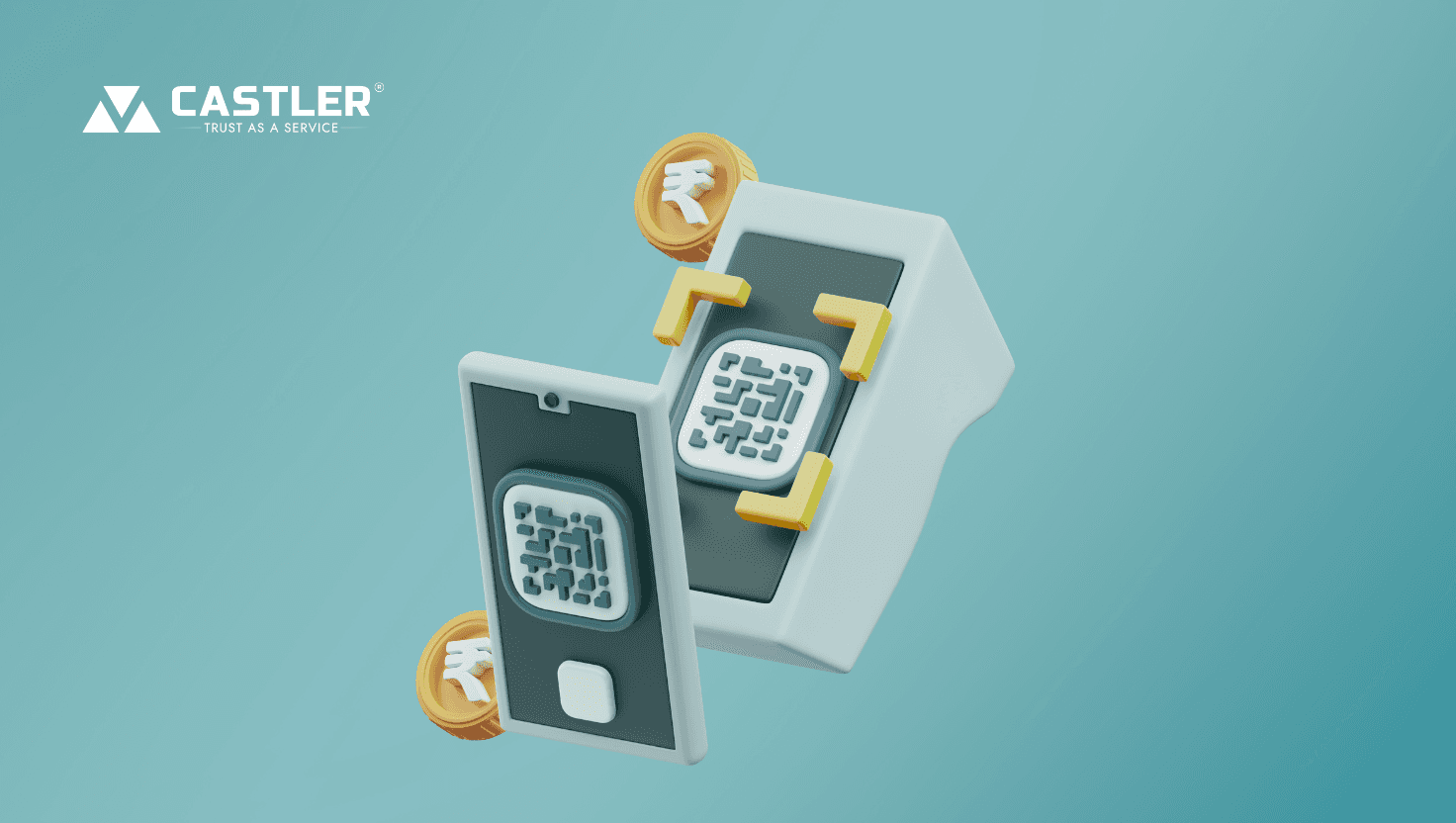
Digital payments have become essential to modern commerce, with QR codes leading the way. What began as a basic static code for simple payments has now turned into a smart, versatile tool that enables smooth transactions. As businesses expand and customer expectations shift towards speed and convenience, dynamic QR code providers have emerged to facilitate easy payments.
Unlike static QR codes, which stay the same and require customers to input payment amounts manually, dynamic QR codes generate real-time data specific to each transaction. This not only improves accuracy but also boosts security and simplifies backend reconciliation. From retail counters and delivery services to e-commerce checkouts and subscription payments, dynamic QR codes are changing how money moves.
In this guide, we cover everything you need to know about dynamic QR code providers how they function, why they are important, and how they help businesses grow. You’ll also learn how digital systems like Castler’s payment platform enable safe, real-time QR code transactions for modern organizations.
What Is a Dynamic QR Code?
A dynamic QR code is generated uniquely for each transaction. It contains details like the amount, order reference, timestamp, and merchant information, allowing payments to be processed quickly and accurately without manual input.
While static QR codes have a permanent payment address, dynamic QR codes change with each payment request, making them much safer and more effective.
Why This Difference Matters
Dynamic QR codes are unique for every transaction.
They eliminate the need for manual amount entry.
They decrease the risk of errors or fraud.
They connect directly with backend systems for automated reconciliation.
This makes them perfect for businesses with variable pricing, high customer traffic, or real-time operational needs.
How Dynamic QR Code Providers Power Digital Payments
Dynamic QR code providers offer the infrastructure necessary to create, distribute, validate, and reconcile QR-based payments. While customers see only a code on a screen, a complex backend works to ensure secure and instant transactions.
How the Process Works
A business starts a transaction through its POS, billing system, or app.
The dynamic QR code provider generates a unique QR code with embedded data.
The customer scans the code using a payment app.
The payment details - merchant ID, amount, reference ID load automatically.
The customer approves the payment.
The provider verifies the transaction in real time.
The merchant receives instant confirmation, and the funds transfer through the banking system.
This entire process usually takes just seconds.
Why Businesses Need Dynamic QR Code Providers
The growth of digital payments means businesses must keep up with speed, accuracy, and transparency. Dynamic QR code providers help them achieve these goals.
Key Reasons They Matter
Real-time accuracy: Every QR code shows the correct payable amount.
Automated reconciliation: Payments connect directly to orders or invoices.
Operational efficiency: No cash handling, no manual input, no human errors.
Customer satisfaction: The checkout experience becomes faster and smoother.
Security: Sensitive information is encrypted, lowering fraud risks.
Scalability: Providers can manage high transaction volumes without delays.
In fast-paced sectors like retail, delivery, logistics, healthcare, hospitality, and government payments, these features become essential.
Benefits of Using Dynamic QR Codes in Business
Dynamic QR technologies are changing how organizations handle payments and customer interactions.
Real-time transaction processing
Since each QR code is generated instantly, businesses can receive payments without delays. The system manages all details automatically, enabling quicker checkouts and seamless customer experiences.
Reduction in human error
There is no risk of customers entering the wrong amount or sending payment to the wrong account. The dynamic QR ensures that every detail is preconfigured.
Better cash flow visibility
Dynamic QR code providers offer dashboards and reporting tools, allowing businesses to see incoming transactions and settlement status immediately.
Enhanced security
Dynamic QR codes include encrypted payment details. This reduces risks of cloning, tampering, or misuse common issues with static QR codes.
Greater operational efficiency
Finance teams do not need to match payments manually anymore. The system links payments to order IDs, customer numbers, timestamps, and internal references.
Dynamic QR Codes vs. Static QR Codes
A common question businesses ask is whether dynamic QR codes are necessary when static QR codes exist. The answer depends on operational needs.
Static QR codes work well for fixed-value payments, like donations or storefront collections. However, businesses with itemized billing, variable invoices, or on-the-go services quickly find static codes insufficient.
Dynamic QR Advantages Over Static QR
More secure and tamper-proof.
Unique for each transaction.
Supports automated reconciliation.
Enables better audit trails.
Reduces compliance and fraud risks.
Integrates effectively with POS and billing systems.
For businesses aiming to grow, dynamic QR codes are the better long-term choice.
Key Features to Look for in a Dynamic QR Code Provider
Choosing the right provider can greatly impact your payment system. A good provider ensures reliability, uptime, and compliance while offering seamless integration options.
Essential Capabilities:
High availability systems to handle peak loads.
API-driven QR generation for integration with apps and POS devices.
Real-time settlement notifications.
Strong security with encryption and fraud monitoring.
Smart reporting dashboards for reconciliation.
UPI compatibility across all major apps.
Regulatory compliance for safe and legal operations.
These factors ensure that businesses can depend on the provider for critical payment activities.
Industries Benefiting the Most from Dynamic QR Codes
Dynamic QR codes are widely used across many sectors because of their flexibility and ease of implementation.
Retail and Supermarkets: Checkout queues move faster as cashiers produce unique QR codes for each bill, cutting customer wait times.
Logistics and Delivery: Delivery staff show a QR code on their app, allowing customers to pay instantly without cash exchanges.
Healthcare and Clinics: Hospitals use QR codes for consultations, tests, and diagnostics, enabling patients to pay quickly without lengthy billing lines.
Food & Beverage: Restaurants use dynamic QR codes not just at counters but also at tables for contactless ordering and payment.
Government and Utilities: Municipal services, taxes, fees, and utility bills increasingly use dynamic QR codes for efficient citizen payments.
How Dynamic QR Code Providers Streamline Reconciliation
One of the biggest challenges for finance teams is matching incoming payments with the correct invoices or customers. Dynamic QR providers automate this process.
Every payment includes a unique reference ID. Once the payment is completed, the provider automatically associates the transaction with the original bill. This removes manual errors, eliminates mismatches, and ensures quicker settlement reconciliation.
Businesses using dynamic QR codes often report less back-office workload and improved cash flow accuracy.
Security and Regulatory Importance
Digital payments require high security and compliance, especially in regions with strong consumer protection laws. Dynamic QR systems rely on encrypted data, secure channels, and verified transaction pathways.
Regulators highlight UPI safety, customer protection, and fraud reduction, so dynamic QR providers must follow strict standards. This makes compliant providers more trustworthy and reliable.
How Castler Supports Dynamic QR-Based Payments
As businesses move towards fast, secure, and intelligent payment systems, Castler provides the tools needed to manage dynamic QR payments effectively. With real-time QR generation, secure payment routing, automated reconciliation, and compliance-ready architecture, the platform helps businesses improve both customer experience and finance workflows.
Whether for retail counters, delivery services, government functions, or enterprise billing systems, Castler delivers the reliability and scalability necessary to support high-volume QR transactions with complete transparency.
If your organization aims to adopt a strong dynamic QR code solution, Castler’s digital payment ecosystem offers safe, API-driven, and enterprise-ready capabilities essential for powering the next generation of smooth transactions.
Written By

Chhalak Pathak
Marketing Manager